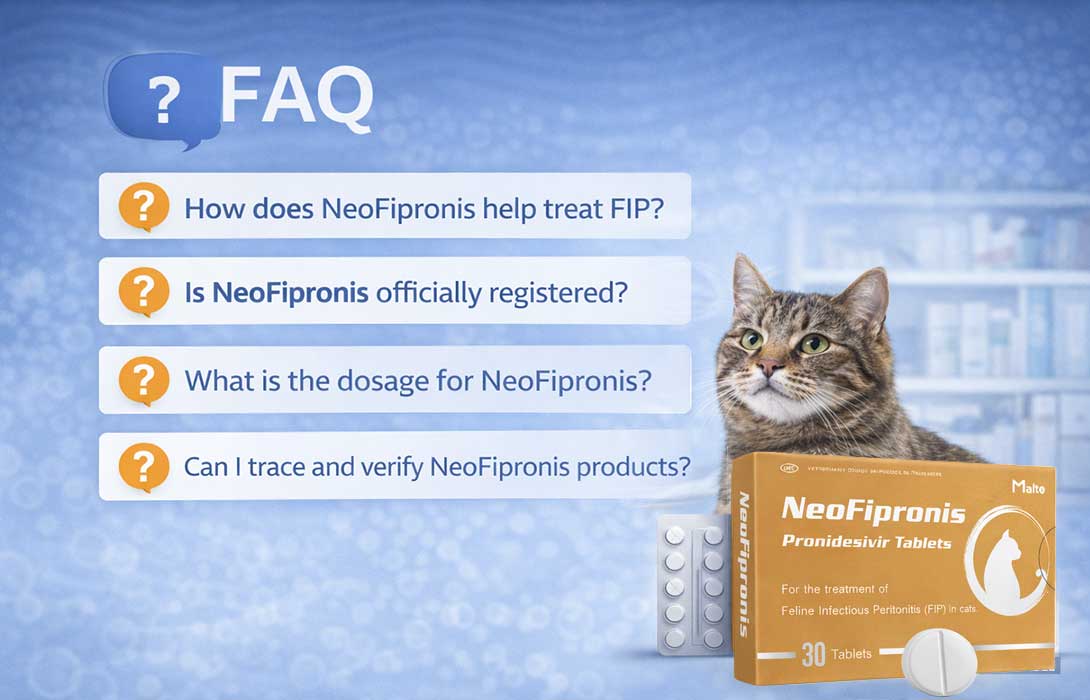
Pronidesivir(GS-441524) for Cats with FIP | NeoFipronis®

A science-based, legal, and quality-assured oral antiviral solution for treating Feline Infectious Peritonitis (FIP).

Science-Driven • Practical • Clear

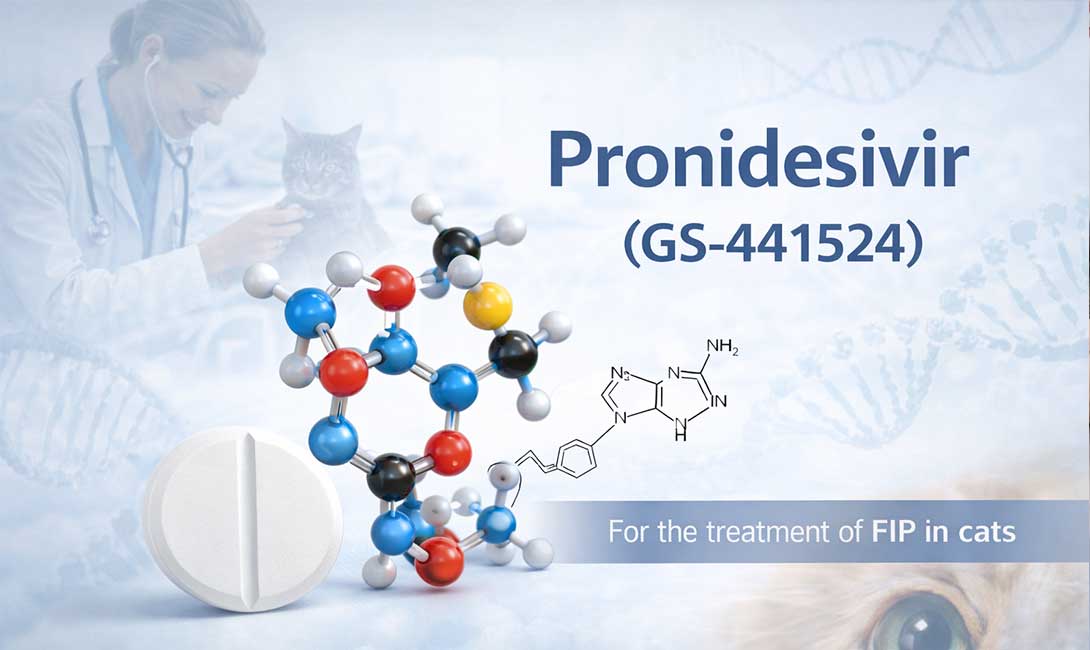
Pronidesivir(GS-441524)

Pronidesivir(GS-441524) is a nucleoside analog antiviral used to treat Feline Infectious Peritonitis (FIP). It works by inhibiting viral replication, helping reduce viral load and supporting recovery when dosing and monitoring are appropriate.

Mechanism Dosing 84-day course Monitoring Quality

Educational content only. Always consult a licensed veterinarian for diagnosis and treatment decisions.

Veterinary care and cat recovery
Quick Facts
Targets viral replication
Weight-based dosing (mg/kg/day)
Consistency matters

What Is Pronidesivir(GS-441524)?

Pronidesivir(GS-441524) is designed to disrupt coronavirus replication inside infected cells. By lowering viral production, it helps reduce disease progression and supports clinical recovery over time.

Direct antiviral action
Blocks replication inside infected cells.

Practical outcomes
Many cats improve in appetite, fever, and energy within days.
Treatable FIP
Recovery is achievable with correct dosing and monitoring.
Course completion
Finishing the planned course helps reduce relapse risk.
Lab scene or scientific illustration
A targeted antiviral approach for FIP care.

How It Works

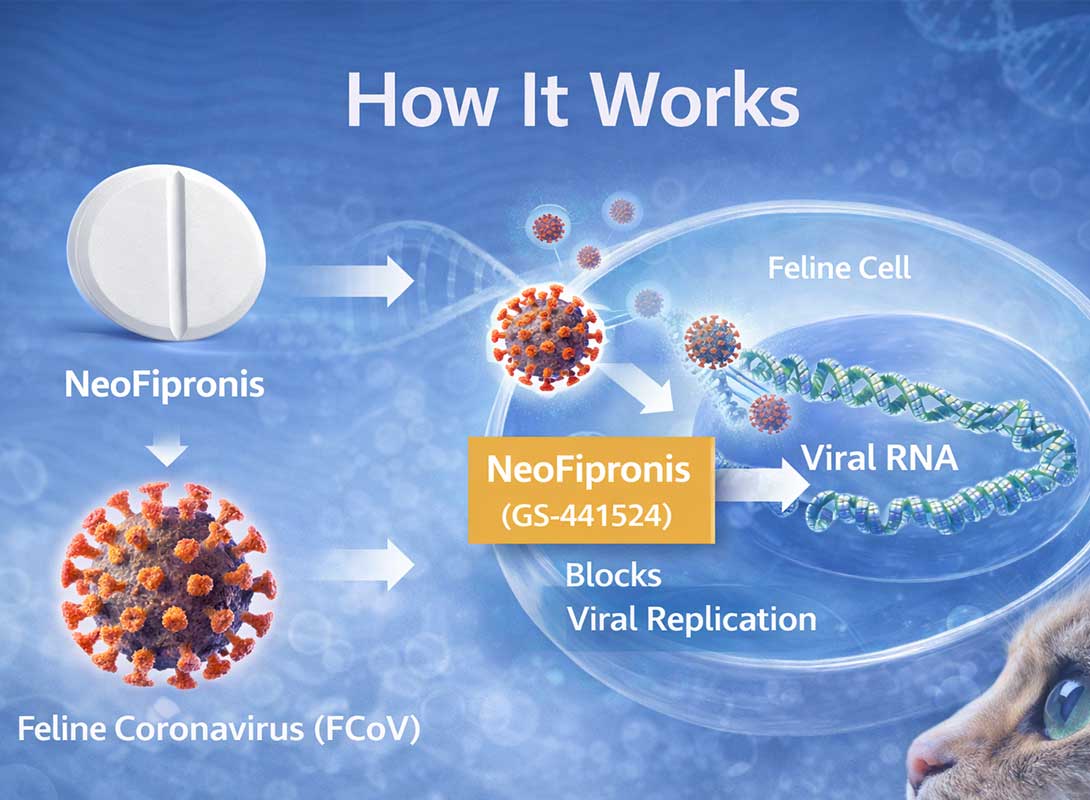
Pronidesivir(GS-441524) acts as a nucleoside analog that interferes with viral RNA replication, reducing the production of new virus particles.

  1. Enters infected cells where coronavirus is replicating.
  2. Interrupts viral RNA replication at the molecular level.
  3. Reduces viral load and slows disease progression.
  4. Supports clinical recovery as inflammation and organ stress decrease.
Improved appetite
Reduced fever
Better energy
Mechanism or veterinary clinic scene
Antiviral therapy supports real-world recovery.

Dosing Basics

Doses are commonly expressed in mg/kg/day and depend on clinical presentation. Final dosing should be determined by a licensed veterinarian. Weigh weekly and re-calculate to match current weight.

Typical Reference Ranges
Wet / Dry FIP: 15 mg/kg/day
Ocular / Neurological FIP: 30 mg/kg/day
Always follow veterinary guidance for diagnosis and dosing.
NeoFipronis® Practical Dosing
30mg per tablet, scored for 15mg half-tablet dosing.
Use a calculator for daily mg and tablets/day.
Plan supply for a full course as recommended by your vet.
Tablet and dosing illustration

Quality and Traceability

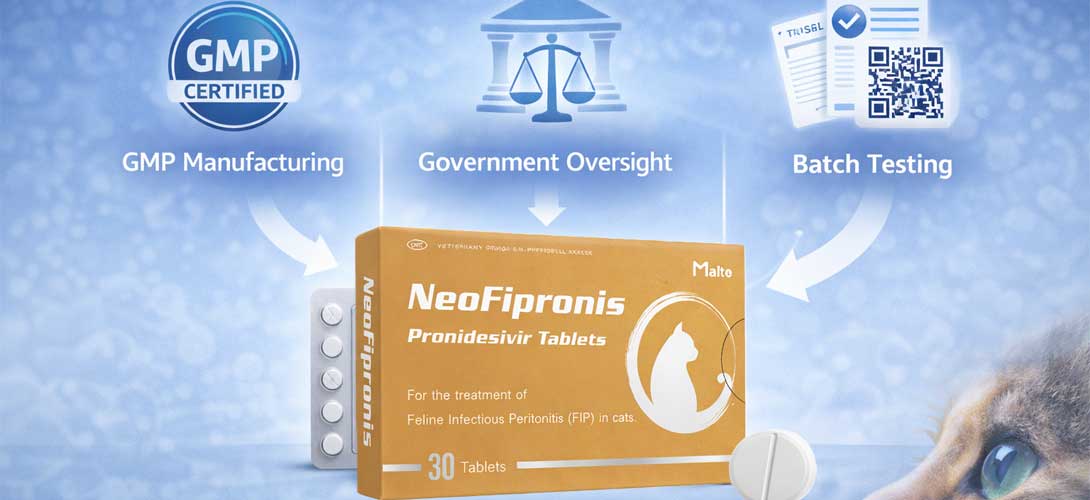
Consistent dosing depends on reliable quality. Choose products with clear documentation, traceability, and verification support.

Manufacturing controls
Process controls support consistent tablet content and stability.
Batch traceability
Batch/lot details help confirm authenticity and supply chain integrity.
Verification support
Use online verification and support channels if anything looks inconsistent.
Quality control lab or documentation
Documentation and traceability support safer decisions.

Safety and Monitoring

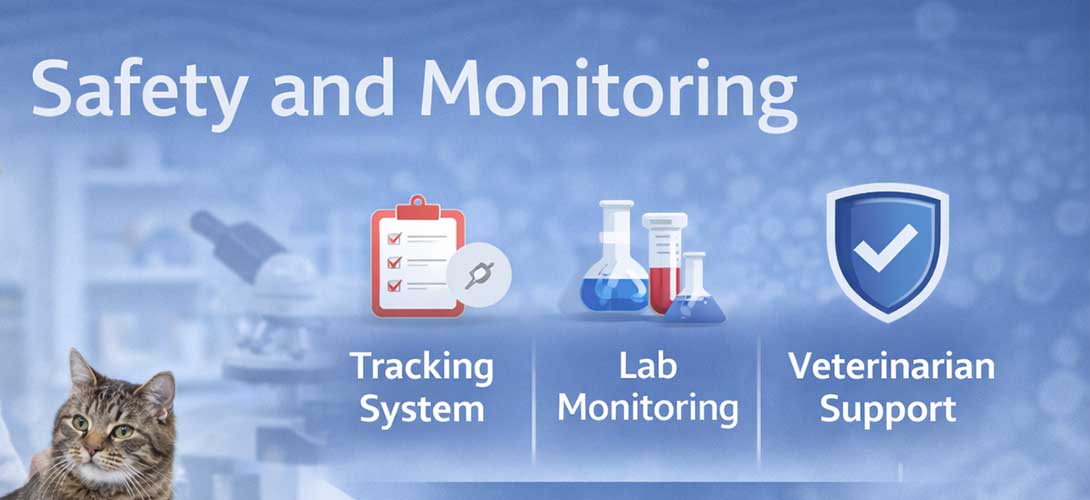
Pronidesivir(GS-441524) is generally well tolerated, but monitoring is important—especially for liver and kidney markers when recommended by a veterinarian.

  • Weekly weigh-ins to keep mg/kg dosing aligned.
  • Lab monitoring for liver/kidney markers as recommended.
  • Supportive care may include nutrition, hydration, and organ support when appropriate.
  • Escalate quickly if clinical signs worsen or return.
Veterinary monitoring and blood testing
Monitoring supports safer treatment planning.

FAQ

How fast can cats improve on treatment?
Many cats show visible improvements within days, but response varies. Continue treatment and monitoring as recommended by your veterinarian.
Can I reduce the dose if my cat looks better?
Do not reduce dosing during treatment without veterinary guidance. Under-dosing can increase relapse risk.
Why re-weigh weekly?
Cats often gain weight during recovery. Weekly weighing helps keep mg/kg dosing aligned to current weight.
What if symptoms return after treatment?
Contact a veterinarian promptly for evaluation. Additional monitoring or an extended plan may be needed.

Educational content only. Always consult a licensed veterinarian for diagnosis and treatment decisions.
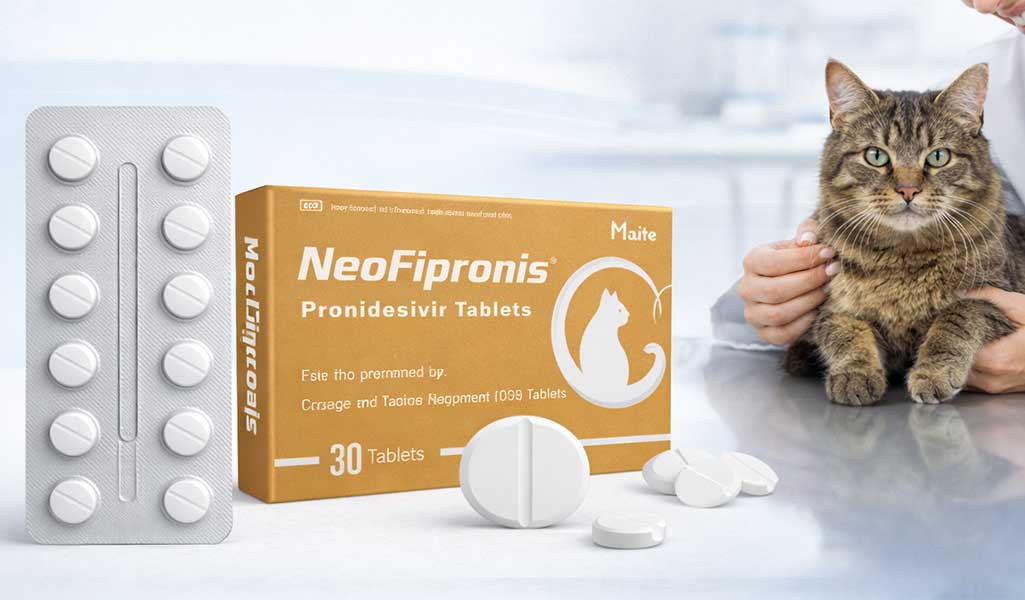
Cat comfort and caregiver support
Clear answers for real-world care decisions.

Warenkorb