Practical • Evidence-Informed • Owner-Friendly

FIP Treatment Guide

Feline Infectious Peritonitis (FIP) is a serious disease, but modern antiviral therapy has changed the outlook. This guide explains treatment principles, dosing basics, monitoring, and supportive care—step by step.

What FIP is Treatment plan Dosing basics Monitoring Support care

Educational content only. Always consult a licensed veterinarian for diagnosis and treatment decisions.

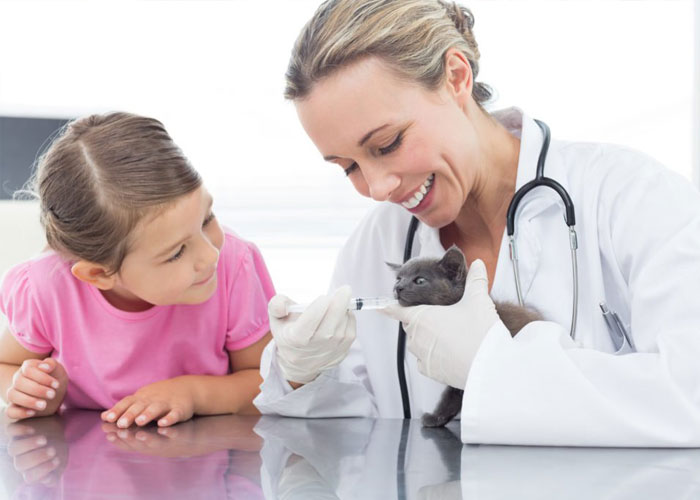
Cat care and veterinary support
Quick Reminder
Weigh weekly and re-calculate dose
Do not under-dose during treatment
Complete the full course

What Is FIP?

FIP develops when a common feline coronavirus mutates inside a cat’s body and triggers a damaging immune response. The mutated form is not considered directly contagious between cats, but coronavirus can spread in multi-cat environments.

Wet (Effusive) FIP
Fluid buildup in the abdomen or chest.

Dry (Non-effusive) FIP
Granulomas affecting organs (e.g., liver, kidneys, eyes, brain).
Cat health illustration or vet exam
Understanding the type helps guide treatment strategy.

Signs & When to Act

Early signs can be subtle. Because FIP can progress quickly, prompt evaluation and treatment planning are essential.

Common Early Signs
Lethargy, reduced appetite, weight loss, persistent fever.
Progression Risks
Untreated cases can lead to severe inflammation and organ failure.
What to Do
Seek veterinary assessment and baseline lab work as soon as possible.

Diagnosis & Baseline Tests

FIP diagnosis often involves a combination of clinical signs and tests. Your veterinarian may recommend blood work, imaging, and other supportive diagnostics to guide treatment and monitoring.

  • Blood tests: CBC, chemistry (liver/kidney), proteins, inflammation markers.
  • Imaging: Ultrasound or X-ray, especially if fluid is suspected.
  • Targeted exams: Eye and neurological evaluation when indicated.
Veterinary blood test or clinic scene
Baseline tests support safer dosing and better monitoring.

Treatment Plan Overview

Modern antiviral therapy targets viral replication. Success depends on correct dosing, consistent daily administration, and completing the full treatment course.
Dose by Current Weight
Weigh weekly and adjust dose to match weight changes during recovery.
Daily Consistency
Give the daily dose consistently. Avoid missed doses whenever possible.
Complete the Course
Finish the planned treatment period to reduce relapse risk.
Monitor & Support
Track appetite, weight, energy, and recommended lab work with your vet.
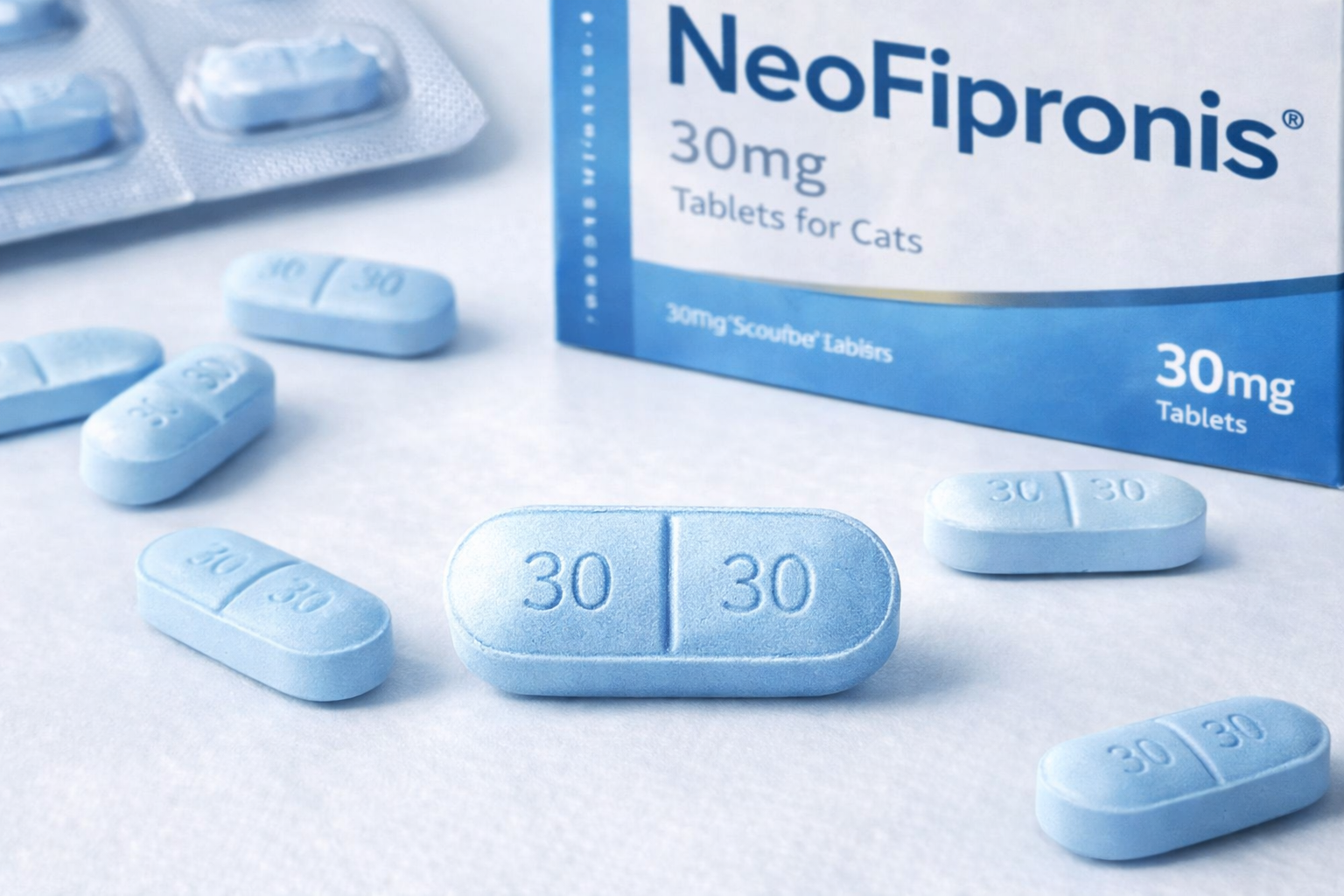
Oral tablet and cat care scene
Consistency + monitoring are key to a successful outcome.

Dosing Basics

Doses are commonly expressed in mg/kg/day and depend on clinical presentation. Your veterinarian may adjust dosing based on response.

Typical Reference Ranges
Wet / Dry: 15 mg/kg/day
Ocular / Neurological: 30 mg/kg/day
Final dosing should be guided by a licensed veterinarian.
Practical Tip
Weigh weekly and re-calculate to match current weight.
Avoid under-dosing during treatment to reduce relapse risk.
Use a dosage calculator for daily mg and supply planning.

Monitoring During Treatment

Many cats show improvement within days, but monitoring remains essential. Track clinical changes and follow your vet’s test schedule.

  • Weekly: weight and appetite check; adjust dosing as needed.
  • Regular labs: liver/kidney markers and inflammation indicators.
  • If indicated: eye exams, neurological checks, imaging follow-ups.
Record daily appetite & energy
Note fever changes and hydration
Share logs with your veterinarian
Monitoring chart or vet follow-up scene
Tracking trends helps guide safer decisions.

Supportive Care

Alongside antiviral therapy, supportive care can help the body recover. Discuss supplements and nutrition with your veterinarian.
Nutrition
High-quality, palatable diet to support weight gain and recovery.
Hydration
Ensure adequate water intake; seek vet advice if dehydration is suspected.
Organ Support
Consider liver/kidney and gut support supplements when appropriate.
Supportive care and nutrition for cats
Supportive care complements antiviral therapy.

Frequently Asked Questions

How soon will my cat improve?
Many cats show visible improvement within a few days, but response varies. Continue treatment and monitoring as planned.
Should I reduce the dose if my cat looks better?
Do not reduce dosing during treatment without veterinary guidance. Under-dosing can increase relapse risk.
Why weigh weekly?
Cats often gain weight during recovery. Weekly weighing helps keep mg/kg dosing aligned to current weight.
What if symptoms return after treatment?
Contact your veterinarian promptly for evaluation. Additional monitoring or an extended plan may be needed.
Cat and caregiver reassurance
Clear answers for real-world care decisions.

Warenkorb